
What to Expect During the Home Building Process

Building a home is an exciting journey that involves many steps, decisions, and emotions. Whether it's your first time or you're a seasoned builder, knowing what to expect can make the experience smoother and more enjoyable. In this blog post, we will break down the essential stages of the home building process. By the end, you will have valuable insights that can help you manage your home building journey with confidence.
The Home Building Process Overview
The home building process can be divided into several key stages, each with its unique challenges and opportunities. From initial planning and budgeting to the final walk-through, understanding each step can help you navigate the complexities of building a home.
Planning and Design Stage
The initial stage of home building begins with planning and design. This is where you define your vision, budget, and timeline. You will want to consider your lifestyle, the size of your family, and your future needs.
One crucial decision is whether to hire an architect or use pre-designed plans. An architect can help you design a custom home tailored to your specific requirements. Pre-designed plans are often cost-effective and can speed up the process.
Budget: Establish a realistic budget that includes not just construction costs but also land acquisition, permits, and unexpected expenses. According to the National Association of Home Builders, 62% of new home buyers exceeded their initial budget. Keeping a budget in check will require diligent tracking and adjustments as needed.
Timeline: Establish a timeline for each phase to keep the project on track. Regular check-ins with your builder can help ensure that everything is proceeding as planned.

Securing Permits and Approvals
Once you have a plan in place, the next step is to secure the necessary permits and approvals. This can be a lengthy process, as different locations have varying requirements.
You will need to submit your plans to local building authorities, who may request adjustments based on zoning laws or building codes. It's essential to work with your builder to ensure that all necessary paperwork is in order to avoid delays.
Types of Permits: Common permits include zoning permits, building permits, and environmental permits. Research local regulations to determine what is required for your project.
Approval Times: Understand that securing permits can take anywhere from a few weeks to several months. It's essential to factor this time into your overall project timeline.

Groundbreaking and Foundation
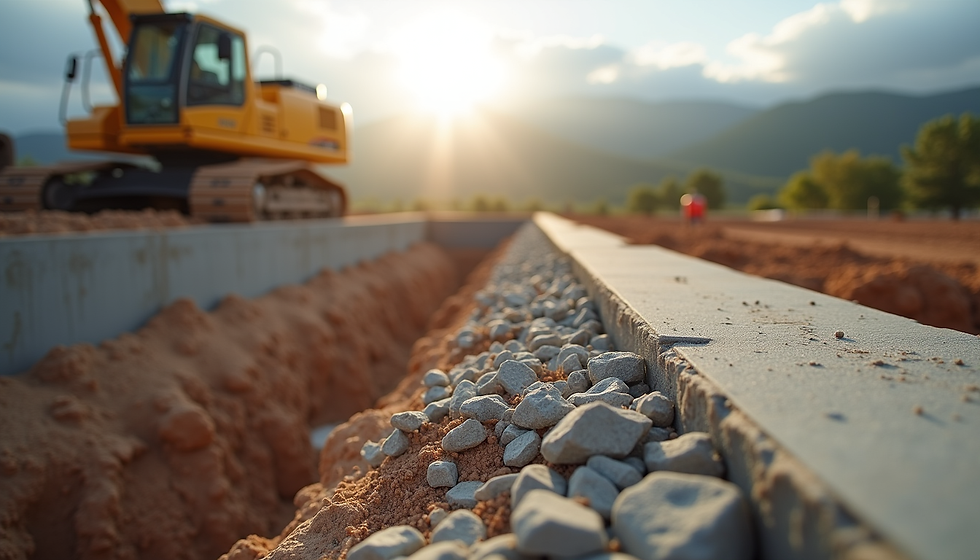
After obtaining all necessary permits, the construction phase begins. Groundbreaking marks the official start of the building process and is often celebrated with a small gathering or ceremony. The first visible work usually includes site preparations, followed by laying the foundation.
Site Preparation: This includes clearing the land, excavation, and leveling. Proper site preparation ensures that your foundation is stable and aligned with your design.
Foundation: The type of foundation varies based on the design and location but generally includes slab, crawl space, or basement options. Each has different costs and advantages. For example, a basement can provide additional storage or living space, while a slab is more affordable and quicker to construct.
Framing and Structural Work
Once the foundation is set, the framing stage begins. This is a critical phase where the structure of your home starts to take shape.
Framing: This process involves building the skeleton of your home using wood or steel. Walls, floors, and roof framing are completed during this stage.
Inspections: After framing, multiple inspections will occur. Building inspectors will ensure that everything meets local building codes before moving to the next stage. Proper inspections are crucial to ensure safety and compliance.

Rough-In and Utilities
After framing, the next step involves roughing in the utilities, including plumbing, electrical, and HVAC systems. This stage is often a busy time as subcontractors work to get everything in place before the walls are closed off.
Plumbing: This includes laying pipes for water supply and drainage. Think about future renovations when deciding on locations for bathrooms and kitchens.
Electrical: Ensure that your home's electrical system can meet your current and future needs. Discuss fixture placements and outlet locations with your electrician.
HVAC: Installing a heating, ventilation, and air conditioning system is crucial for your home's comfort. Make sure to choose an energy-efficient system to save on long-term utility costs.
Interior and Exterior Finishes
With utilities in place, focus shifts to the finishing touches. This is where your home begins to reflect your style and preferences.
Interior Finishes: Selecting flooring, cabinetry, countertops, and paint colors brings personality to your space. Work closely with your builder or designer to create a cohesive look throughout.
Exterior Finishes: The exterior of your home should complement the surrounding environment. Consider factors like climate and maintenance when choosing materials for siding, roofing, and landscaping.
Final Inspection and Walk-Through
Before officially moving in, a final inspection ensures that everything is as it should be. Your builder should address any last-minute issues before handing over the keys.
Walk-Through: Conduct a thorough walk-through with your builder to check for any defects or unfinished work. Document everything to ensure that all issues are addressed before closing.
Move-In Preparation: Once any remaining tasks are completed, it’s time to prepare for your move. Start organizing and planning for the logistics of moving day.
Building Your Dream Home
Building a home can be overwhelming, but it’s also one of the most rewarding experiences. Expect challenges along the way, but remember that communication is key. Stay in touch with your builder to keep the process as smooth as possible.
Each home building journey is unique, and being informed about what to expect can significantly ease your stress. Whether you're considering a custom home building project or navigating the process for the first time, take the time to enjoy this significant milestone in your life.
By staying organized, maintaining reasonable expectations, and communicating effectively with your builders, you can make your dream home a reality. Embrace the journey, and soon you will be enjoying your new abode, filled with memories and moments to cherish for years to come.
For more information about custom home building, visit Apex Life.


Comments