
Top FAQs About Building Your Own Custom Home

Building your own custom home is an exciting journey filled with many decisions. Whether you are dreaming of a cozy cottage or a modern masterpiece, understanding the process can help you avoid common pitfalls. This guide answers the most frequently asked questions about custom home construction, providing clear, practical advice to help you navigate every step.
What Are the First Steps in Building a Custom Home? Custom Home FAQs
Starting a custom home project begins with careful planning. The first step is to define your budget. Knowing how much you can spend will guide your choices for land, design, and materials. Next, find a suitable plot of land that fits your lifestyle and preferences. Consider factors like location, neighborhood, and proximity to schools or work.
Once you have your budget and land, the next step is to hire a reputable architect or home builder. They will help you design a home that meets your needs and complies with local building codes. During this phase, you will discuss your style preferences, number of rooms, and special features like energy-efficient systems or smart home technology.
Actionable tips:
Create a detailed wish list of features you want in your home.
Research local zoning laws and building regulations.
Interview multiple builders and check their references.

How Long Does It Take to Build a Custom Home? Custom Home FAQs
The timeline for building a custom home varies depending on the size, complexity, and location of the project. On average, it takes 6 to 12 months from breaking ground to moving in. Smaller homes or simpler designs may take less time, while larger or more intricate homes can take longer.
Several factors can affect the timeline:
Weather conditions
Availability of materials
Permitting and inspections
Changes to the design during construction
To keep your project on track, maintain regular communication with your builder. Ask for updates and visit the site frequently to monitor progress.
Example: A 3-bedroom, 2-bath home with standard finishes might take about 8 months, while a luxury home with custom features could take over a year.

What Are the Typical Costs Involved in Building a Custom Home?
Understanding the costs involved is crucial for budgeting your custom home project. The total cost includes several components:
Land purchase - The price of the lot varies widely based on location and size.
Design fees - Architects and designers charge for creating plans.
Construction costs - Labor and materials for building the home.
Permits and inspections - Required by local authorities.
Landscaping and exterior work - Driveways, gardens, fencing.
Interior finishes and appliances - Flooring, cabinetry, lighting, and more.
On average, construction costs range from $100 to $200 per square foot, but this depends on your region and the quality of materials chosen.
Tips to manage costs:
Prioritize must-have features and be flexible on extras.
Choose standard materials where possible to save money.
Get multiple quotes from contractors.

How Do I Choose the Right Builder for My Custom Home?
Selecting the right builder is one of the most important decisions you will make. A good builder ensures quality workmanship, timely completion, and clear communication.
Steps to choose a builder:
Research local builders with experience in custom homes.
Check online reviews and ask for references.
Visit completed homes or current job sites.
Discuss your project in detail and ask about their process.
Review contracts carefully before signing.
A trustworthy builder will be transparent about costs, timelines, and potential challenges. They should also be licensed and insured.
What Should I Expect During the Construction Process?
The construction process involves several stages, each with its own tasks and milestones:
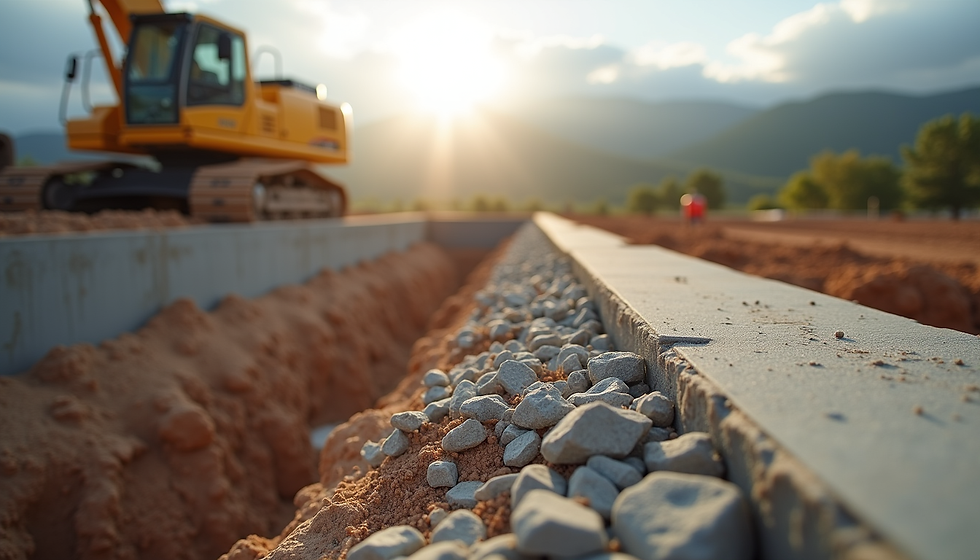
Site preparation - Clearing and grading the land.
Foundation - Pouring concrete footings and slabs.
Framing - Building the skeleton of the house.
Mechanical systems - Installing plumbing, electrical, and HVAC.
Insulation and drywall - Sealing and finishing walls.
Interior finishes - Flooring, cabinets, paint, and fixtures.
Final inspections and walkthrough - Ensuring everything meets standards.
During construction, expect regular site visits and updates from your builder. Be prepared to make decisions about finishes and any unexpected issues that arise.
Pro tip: Keep a project journal with notes, photos, and receipts to track progress and changes.
How Can I Personalize My Custom Home Design?
One of the biggest advantages of building a custom home is the ability to tailor every detail to your taste. Here are some ways to personalize your home:
Layout: Choose open floor plans or separate rooms based on your lifestyle.
Materials: Select flooring, countertops, and cabinetry that reflect your style.
Energy efficiency: Incorporate solar panels, high-efficiency windows, and insulation.
Smart home features: Add automated lighting, security systems, and climate control.
Outdoor spaces: Design patios, decks, or gardens that extend your living area.
Work closely with your architect and builder to ensure your vision is realized while staying within budget.
What Are the Benefits of Building a Custom Home?
Building a custom home offers several advantages over buying an existing property:
Complete control over design and layout
Ability to choose high-quality materials and finishes
Energy-efficient and modern building techniques
Customization to fit your family’s needs and lifestyle
Potential for increased property value
While it requires more time and effort, the result is a home uniquely yours.
Where Can I Learn More About Building a Custom House?
For more detailed answers and expert advice on building a custom house, visit the Apex Life FAQ page. It covers everything from financing options to design tips and construction timelines.
Exploring trusted resources can help you make informed decisions and feel confident throughout your custom home journey.
Building a custom home is a rewarding experience that allows you to create a space perfectly suited to your needs. By understanding the process, costs, and key decisions, you can approach your project with confidence and excitement. Use this guide as a starting point to explore your options and take the first steps toward your dream home.


Comments